






Ninjacart – Revolutionizing India’s Fresh Produce Supply Chain
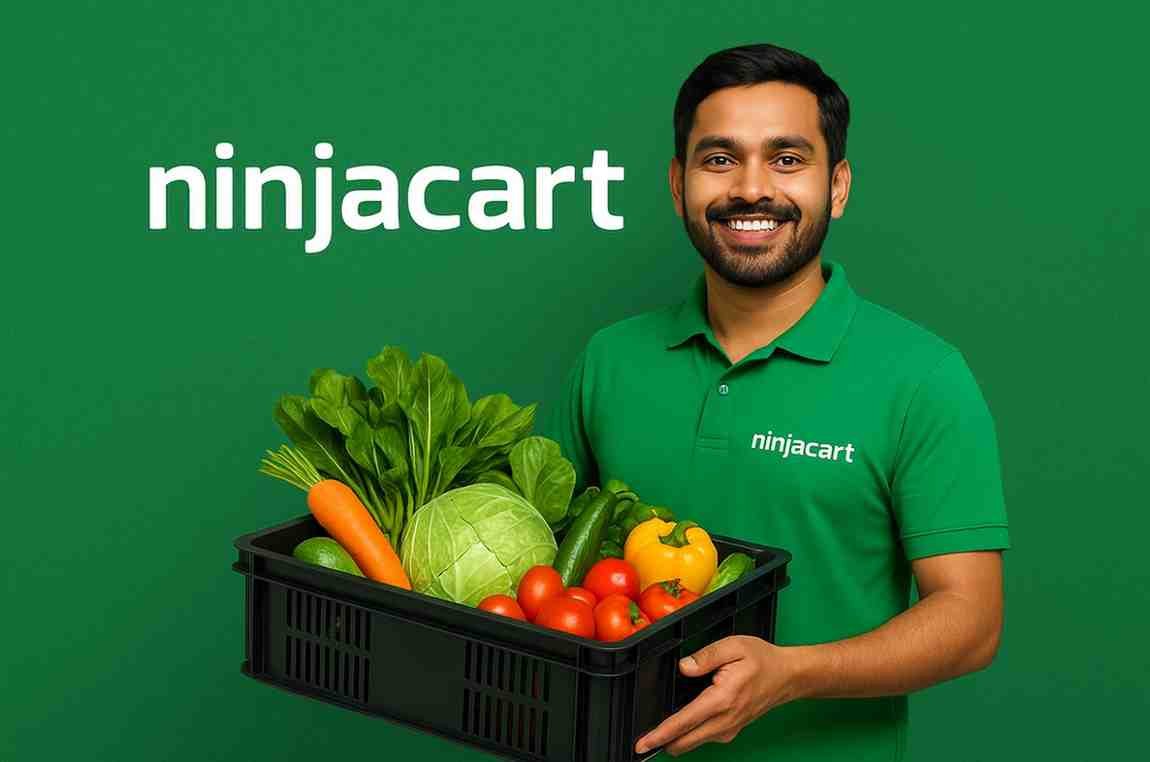
Ninjacart is transforming how fresh fruits and vegetables reach consumers in India. With its tech-driven platform connecting farmers directly to retailers and restaurants, Ninjacart eliminates middlemen, reduces food wastage, and ensures fair pricing for both producers and buyers. In this SEO-optimized review, we’ll explore Ninjacart’s journey, features, business model, and why it’s one of India’s most successful agritech startups.
What is Ninjacart?
Ninjacart is an agritech supply chain startup founded in 2015 with a mission to build a reliable and efficient farm-to-retail network. It bridges the gap between farmers and retailers by using data, logistics, and AI-powered demand forecasting to ensure timely delivery of fresh produce.
Instead of the traditional multi-layered supply chain, Ninjacart connects farmers directly with retailers, supermarkets, restaurants, and kirana stores, ensuring fresher produce, higher farmer income, and lower costs for buyers.
Key Features of Ninjacart
1. Direct Farmer-to-Retailer Model
Ninjacart eliminates intermediaries by sourcing directly from farmers. This helps farmers earn better margins and retailers receive fresher produce at more consistent prices.
2. AI-Driven Demand Forecasting
The platform uses machine learning algorithms to analyze historical demand data and market trends. This ensures accurate supply planning, reducing wastage and price volatility.
3. Efficient Supply Chain & Cold Storage
Ninjacart manages collection centers, distribution hubs, and cold chain logistics to maintain produce freshness and quality throughout the journey.
4. Farmer Empowerment
Through its app and digital payments, Ninjacart ensures transparent pricing, fast payments, and access to market insights — helping farmers make informed decisions.
5. Retailer Convenience
Retailers and restaurants can place daily orders through the Ninjacart app, ensuring timely doorstep delivery of fresh fruits and vegetables without visiting wholesale markets.
6. Sustainability & Waste Reduction
By optimizing logistics and supply chain operations, Ninjacart significantly reduces food wastage and carbon footprint, supporting a sustainable food ecosystem.
Ninjacart Business Model
Ninjacart operates on a B2B (business-to-business) model:
-
Farmers sell their produce to Ninjacart at fair prices.
-
Ninjacart collects, grades, and distributes the produce to retailers.
-
Revenue is earned through a small margin on each transaction.
This simple yet powerful model ensures transparency, trust, and scalability in India’s fragmented agri-market.
Pros and Cons of Ninjacart
✅ Pros:
-
Direct connection between farmers and retailers
-
Tech-driven and data-backed supply chain
-
Transparent pricing and quick digital payments
-
Reduction in food waste and logistics inefficiency
-
Consistent quality and on-time delivery
❌ Cons:
-
Operations currently limited to specific regions in India
-
Seasonal fluctuations can affect supply-demand balance
-
Requires strong logistics coordination for scalability
Ninjacart Impact and Growth
Ninjacart currently works with over 100,000 farmers and 60,000+ retailers across major Indian cities like Bengaluru, Chennai, Delhi, Pune, and Hyderabad. The company has also partnered with Flipkart, Walmart, and Reliance Retail, expanding its reach and digital supply chain capabilities.
Its success has inspired a wave of agritech innovation in India, promoting data-driven agriculture, rural digitization, and farmer income growth.
Why Ninjacart Stands Out
Unlike traditional mandis or wholesalers, Ninjacart’s platform brings speed, transparency, and quality control to the agri-supply chain. Its tech-first approach makes it one of the most efficient, scalable, and sustainable models in India’s agriculture ecosystem.
Is Ninjacart the Future of Agri-Supply Chains?
Yes — Ninjacart represents the future of India’s agricultural distribution system. Its blend of technology, logistics, and social impact is transforming how food moves from farm to table. By helping farmers earn more and ensuring customers get fresher produce, Ninjacart stands as a model of innovation and sustainability in agritech.
For anyone exploring agritech startups, supply chain innovation, or farm-to-market models, Ninjacart is a name worth watching.