





How to Research for a New Service Startup
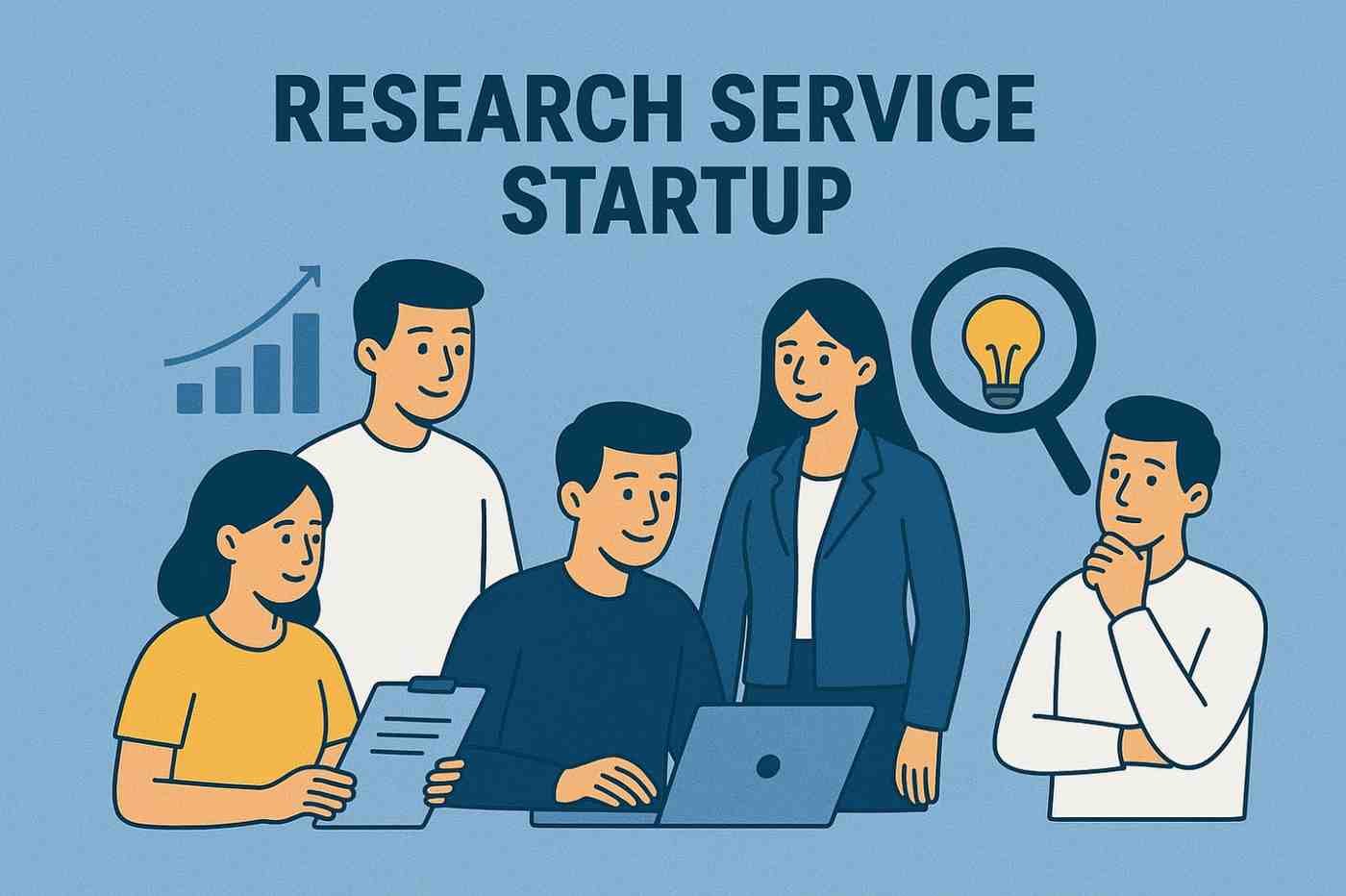
Starting a service-based startup is often easier to launch than a product business because it requires less upfront investment. But even service startups fail if they don’t conduct proper research before entering the market. The key is to deeply understand the problem you are solving, your target audience, competitors, and service delivery model. Thorough research not only minimizes risks but also ensures your service stands out and creates value.
1. Identify the Core Problem and Service Idea
Every service startup must start with a clear problem statement:
-
What issue does your service solve?
-
Is the problem frequent and painful enough for customers to pay?
-
How are people currently solving this problem?
For example, if you want to start a digital marketing agency, research whether small businesses in your area lack affordable and result-oriented marketing services.
2. Analyze Market Demand
Conduct market research to measure demand for your service:
-
Industry Research – Study service industry growth, customer behavior, and spending habits.
-
Geographic Analysis – Identify where your target market is strongest (local, national, or global).
-
Trends and Opportunities – Look at emerging trends (e.g., AI-driven services, sustainability, remote work solutions).
Use tools like Google Trends, industry reports, and surveys to back up your findings.
3. Study the Competition
Competition is often higher in services than products because entry barriers are lower. Research should include:
-
Who are your direct and indirect competitors?
-
What pricing models do they use?
-
What are their strengths and weaknesses?
-
What customer complaints or gaps exist in their services?
Your goal is to position your service uniquely—through better pricing, quality, speed, or personalization.
4. Define Your Target Audience
Service startups must clearly know who they are serving. Research your ideal customer’s:
-
Demographics – Age, location, profession, income level.
-
Pain Points – What problems or frustrations do they face?
-
Decision Drivers – Do they care more about speed, affordability, or premium quality?
For example, if you plan a home cleaning service, your target may be urban professionals who value convenience over cost.
5. Validate Your Service Idea
Before fully launching, test your concept:
-
Offer a trial service to early customers.
-
Collect feedback and testimonials.
-
Run a pilot project at discounted pricing.
Validation helps you understand if customers are truly willing to pay for your service and whether it solves their problem effectively.
6. Choose the Right Business Model
Service startups can operate under different models:
-
Hourly pricing
-
Project-based pricing
-
Subscription/retainer model
-
Freemium model with premium upgrades
Research what your audience prefers and what competitors successfully use.
7. Research Legal and Operational Requirements
Unlike products, services often have regulatory and compliance aspects. Research:
-
Licenses or permits required.
-
Taxation and invoicing structures.
-
Insurance needs (for liability, if applicable).
This prevents future legal or financial issues.
8. Gather Continuous Feedback
Research doesn’t stop after launch. Create feedback loops through:
-
Surveys and reviews.
-
Customer interviews.
-
Social media engagement.
Constant improvement keeps your service relevant and competitive.
Researching for a new service startup requires identifying the problem, market demand, competition, target customers, business model, and compliance requirements. By validating your service idea and continuously gathering feedback, you can build a sustainable business that truly addresses customer needs. A well-researched foundation not only increases success chances but also helps you scale effectively.