




Blockchain + AI: Next-Gen Startup Opportunities
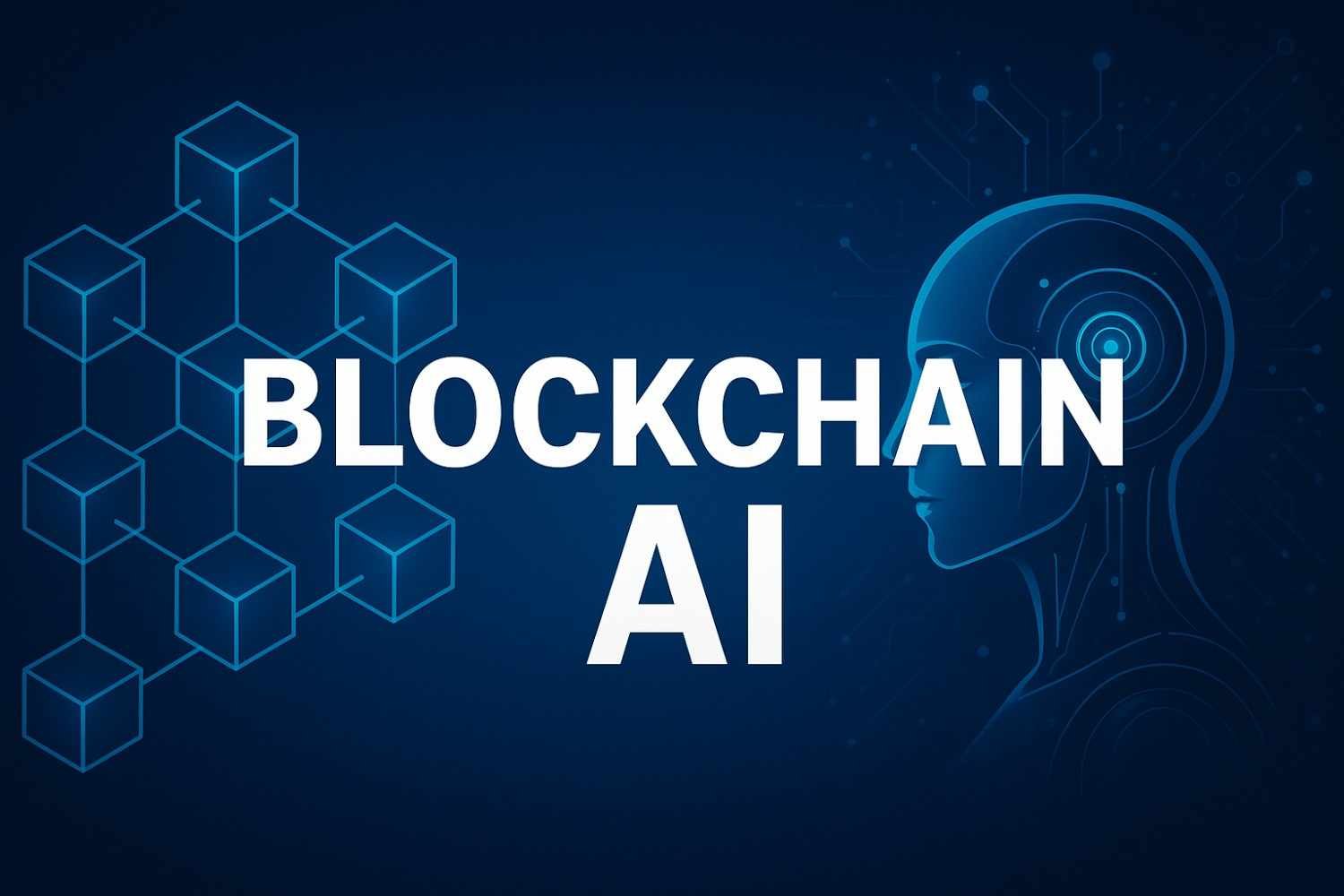
The convergence of blockchain technology and artificial intelligence (AI) represents one of the most promising frontiers for innovation. While both have individually disrupted industries, their combination creates powerful synergies that can reshape the way startups build products, deliver services, and create value. For entrepreneurs, the integration of these technologies unlocks a new wave of opportunities across finance, healthcare, supply chain, and beyond.
Why Blockchain and AI Work Together
-
Data Integrity + Intelligent Processing
-
Blockchain ensures transparent, immutable, and secure storage of data.
-
AI thrives on data, requiring clean and trustworthy datasets.
-
Together, AI gains access to verified information, while blockchain provides auditability.
-
-
Decentralization + Smart Decision-Making
-
Blockchain decentralizes control and ownership.
-
AI algorithms add automation and predictive intelligence.
-
This combination empowers systems to be more autonomous and efficient.
-
-
Trust + Transparency in AI Models
-
One of the criticisms of AI is the “black box” nature of decision-making.
-
Blockchain can record AI decision processes, increasing trust and explainability.
-
Startup Opportunities in Blockchain + AI
1. Decentralized AI Marketplaces
Startups can build platforms where individuals and businesses share, sell, and monetize AI models without relying on centralized corporations. Blockchain ensures fairness, ownership rights, and secure payments.
Example: A marketplace where startups can buy pre-trained AI models for healthcare diagnostics while ensuring that model creators are fairly compensated.
2. Secure Data Sharing for AI Training
High-quality data is essential for AI, but privacy concerns often restrict access. Blockchain enables decentralized, permissioned data-sharing networks, allowing organizations to collaborate on AI training without exposing sensitive information.
Use Case: Hospitals pooling patient data for AI-driven research while maintaining HIPAA/GDPR compliance.
3. Smart Contracts with AI Automation
AI-powered smart contracts can adapt based on real-world events. Instead of rigid “if-this-then-that” logic, contracts become more dynamic and predictive.
Example: An insurance claim automatically validated by AI, with payouts triggered through blockchain-based smart contracts.
4. Fraud Detection and Cybersecurity
AI models can detect anomalies and predict fraud patterns. Combined with blockchain’s immutable ledger, startups can create robust fraud prevention systems for fintech, e-commerce, and identity verification.
5. Supply Chain and Logistics Optimization
-
Blockchain guarantees traceability and authenticity.
-
AI forecasts demand, optimizes inventory, and reduces inefficiencies.
Startup Idea: A blockchain-based logistics platform where AI predicts disruptions (like port delays or weather issues) and reroutes shipments in real time.
6. Personalized Finance and DeFi
AI algorithms can tailor investment advice, credit scoring, and wealth management. Blockchain ensures transparency in financial transactions, enabling startups to build trustworthy decentralized finance (DeFi) platforms.
Challenges Startups Must Tackle
-
Scalability: Both AI and blockchain are computationally intensive; combining them requires efficient infrastructure.
-
Regulation: Startups must navigate evolving laws around data privacy, cryptocurrency, and AI ethics.
-
User Adoption: Trust and usability remain critical. Education and awareness will be key for mass adoption.
Future Outlook
The blockchain + AI fusion is still in its early days, but its potential is massive. As industries embrace Web3, decentralized governance, and intelligent automation, startups will play a crucial role in driving adoption. The next wave of unicorns may well come from founders who successfully harness the dual power of trustless transparency (blockchain) and intelligent automation (AI).
For entrepreneurs, blockchain + AI is not just a buzzword—it’s a playground for innovation. From secure data marketplaces to intelligent smart contracts and fraud detection systems, the opportunities are vast and largely untapped. Startups that can identify high-impact problems and apply these technologies thoughtfully will be at the forefront of the next big tech revolution.